What an HVAC Maintenance Plan Actually Covers (and What Homeowners Miss Without One)
If your heating and cooling system only gets attention when something breaks, you are not alone. Most homeowners in Mid-Missouri take a "wait and see" approach to HVAC. The problem is that Missouri weather does not give your system much of a break. Humid summers, allergy-heavy springs, and hard winter cold snaps all push equipment to its limit.
A maintenance plan is not just a discount program. It is a simple way to keep your system reliable, safe, and cheaper to run year after year. Here is what a real maintenance visit includes, and why it matters.
What a professional AC tune-up covers
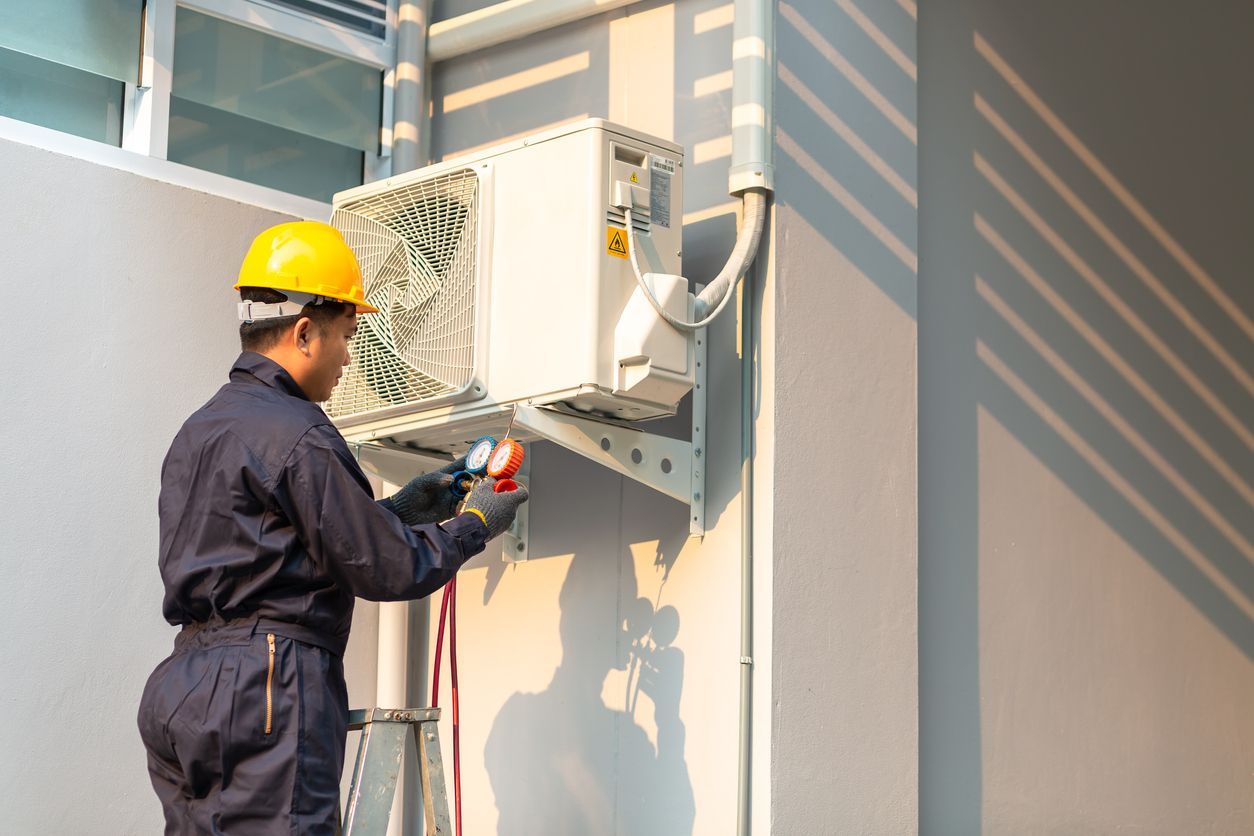
When we service an air conditioner, we are doing more than a quick look. A proper tune-up is a performance and safety check from end to end.
A typical AC maintenance visit includes:
- Thermostat calibration and system performance testing
- Inspecting and cleaning the outdoor condenser coil
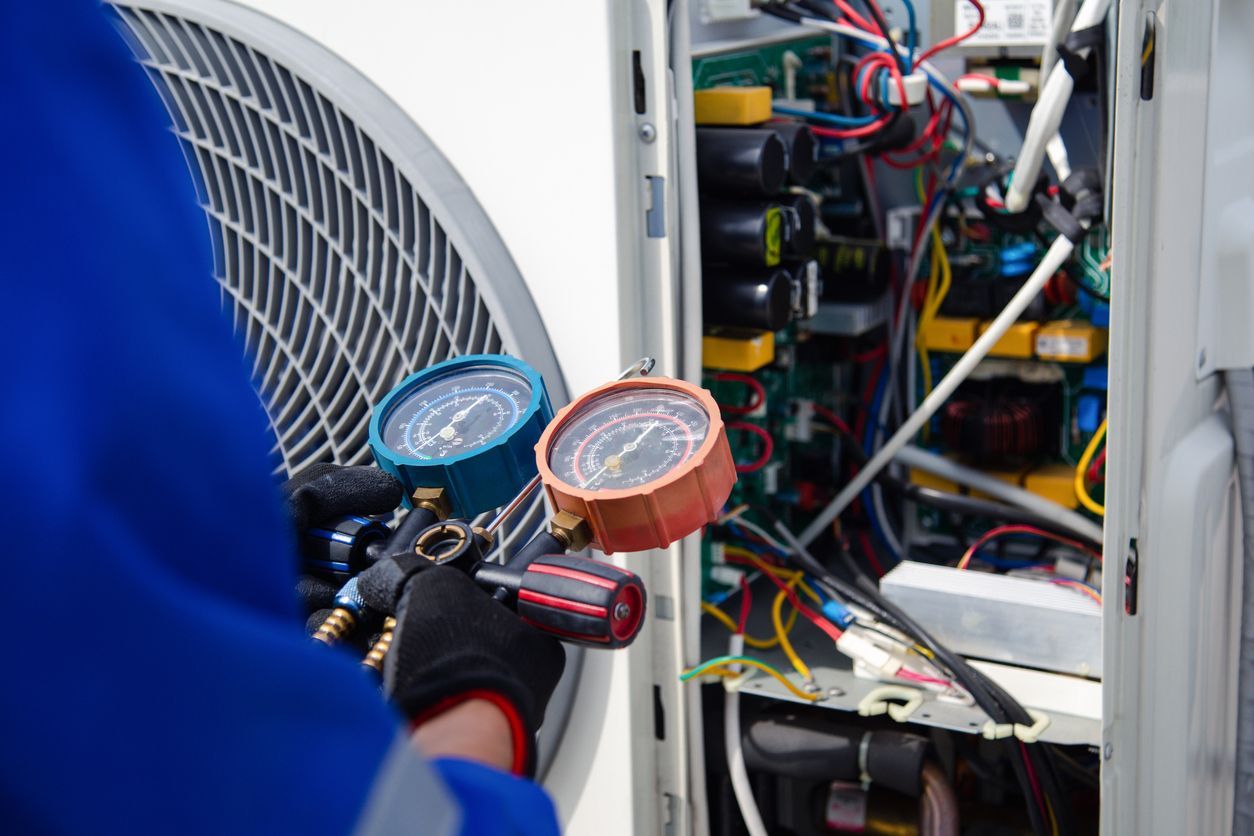
- Checking refrigerant levels and operating pressures
- Testing capacitors, contactors, and other electrical components
- Tightening electrical connections to prevent overheating and failure
- Clearing and testing the condensate drain line
- Inspecting blower components, airflow, and temperature split
- Looking for early signs of wear that lead to breakdowns later
Even small issues like a dirty coil or a weak capacitor can make your AC run longer, cool less, and cost more every month. Maintenance prevents those problems from building up.
What a professional heating tune-up covers
Heating maintenance is about comfort, but it is also about safety. Furnaces and heat pumps work hard during Mid-Missouri winters, and a fall tune-up makes sure everything is running safely before the first cold snap.
A typical heating visit includes:
- Inspecting burners and ignition components
- Cleaning flame sensors and checking flame quality
- Testing safety controls
- Checking and tightening wiring and electrical connections
- Measuring airflow and temperature rise
- Inspecting venting and combustion air
- Performing a carbon monoxide safety check
- Inspecting heat exchangers for cracks or unsafe wear
This is the kind of inspection homeowners cannot do on their own, and it is one of the biggest reasons a plan pays off.
Small problems we catch early
Maintenance finds issues before they turn into a no-cool or no-heat emergency. Some of the most common early-stage problems include:
- Weak capacitors that will fail on the hottest day
- Slow refrigerant leaks that damage compressors over time
- Dirty evaporator or condenser coils that spike energy use
- Drain clogs that lead to water damage or shutdowns
- Worn belts, bearings, or blower components
- Heat exchanger wear that can become a safety hazard
These are not "maybe someday" problems. In Missouri, they show up fast once the weather shifts.
What you get beyond the tune-up
Most maintenance plans include benefits that matter most during peak seasons:
- Priority scheduling when everyone else is calling
- Discounts on repairs if something does fail
- A documented service history that helps with warranties
- Fewer surprise expenses
- Longer system life
Instead of dealing with a breakdown at the worst time, you get predictable, planned care.
Who benefits most from a maintenance plan
Honestly, almost every homeowner does. But these groups see the biggest payoff:
- New homeowners who do not know the system history
- Families with kids or older relatives who need steady comfort
- Homes with older systems that need closer monitoring
- Anyone who wants to avoid a big summer repair bill
Want fewer surprises this year?
If you would rather prevent breakdowns than deal with one during a heat wave or a winter freeze, a maintenance plan is the easiest step you can take. It keeps your system running the way it should, and it keeps you covered when Missouri weather hits hard.